

Call us: 347450-7011
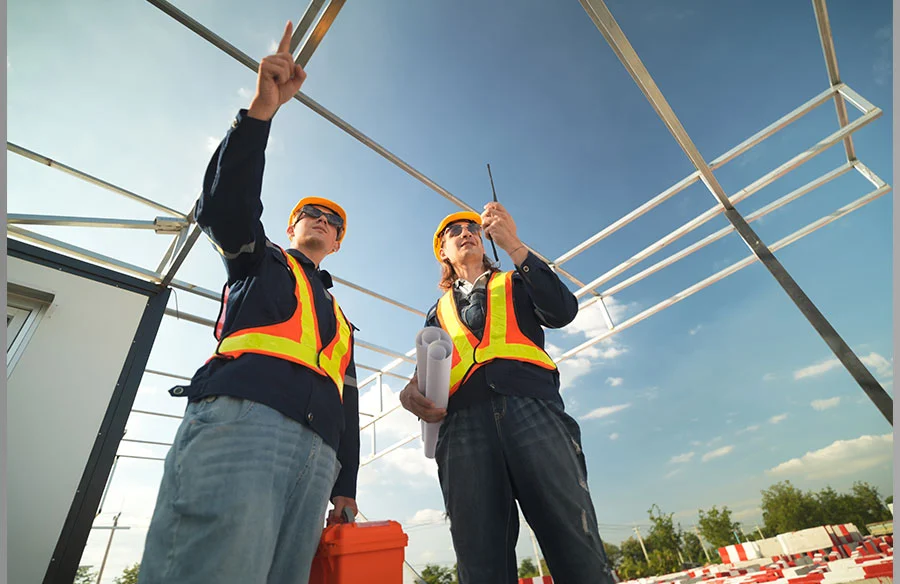

Construction Takeoff Services 2025 have become one of the most in-demand solutions for contractors, estimators, remodelers, and developers in 2025. As project complexity grows and competition increases, accurate takeoffs are the backbone of every profitable construction estimate. In today’s fast-paced industry, relying on manual measurements or outdated spreadsheets is no longer enough—contractors need fast, precise, and technology-driven takeoff solutions to stay competitive.
With AI automation, cloud-based tools, better blueprint reading technologies, and real-time pricing integrations, takeoff services have evolved dramatically. This article explores the trending innovations shaping the future of digital takeoffs, why they matter, and how construction companies can leverage these advancements to improve accuracy, reduce costs, and win more bids.
Why construction takeoff services are essential in 2025
Construction estimating has always relied heavily on accurate takeoffs. Whether you are estimating concrete, drywall, steel framing, roofing, MEP systems, or full commercial builds, quantity accuracy determines the profitability of every project.
Why accurate takeoffs are critical:
- Material costs fluctuate daily
- Labor shortages demand tighter planning
- Blueprints are more complex than ever
- Projects require precise trade-by-trade measurements
- Small takeoff mistakes can cause major cost overruns
In 2025, Construction Takeoff Services are not just a support function—they are a strategic advantage for businesses that want to win more bids and reduce waste.
Trending innovations transforming construction takeoff services
AI-powered takeoff automation
The biggest trend this year is the rise of AI-driven automation. AI tools can read architectural plans, identify components, and calculate quantities with surprising accuracy.
AI takeoff advantages include:
- Blueprint reading in minutes, not hours
- Accurate recognition of symbols and patterns
- Automated measurements for walls, floors, MEP, and more
- Smart error detection
- Predictive material forecasting
This trend saves huge amounts of time for estimators and significantly reduces human error.
Cloud-based takeoff platforms
Cloud integration is another major trend in Construction Takeoff Services. Instead of storing files locally, companies now use cloud platforms that allow teams to collaborate on the same project from different locations.
Benefits:
- Centralized data storage
- Live updates and version control
- Remote access for field teams
- Improved communication between contractors and estimators
This trend makes takeoff management faster, safer, and more transparent.
Real-time cost data integration
Modern takeoff tools integrate with cost databases, giving contractors access to instant pricing updates for materials and labor. This ensures estimates reflect real market conditions.
Industries using this trend:
- Commercial construction
- Residential builders
- Industrial contractors
- Multi-family and renovation firms
Real-time data turns a takeoff into a true cost forecasting tool.
BIM-integrated takeoffs (5D modeling)
Building Information Modeling (BIM) continues to expand, and 2025 has seen a big shift toward BIM-driven takeoffs.
Advantages:
- Quantities pulled directly from 3D models
- Greater accuracy
- Early cost modeling
- Design changes reflected instantly in the takeoff
BIM integration is especially transformative for large commercial projects like hospitals, schools, and warehouses.
Drone-based takeoffs for civil & sitework
Another trending innovation is drone-assisted takeoffs, especially in civil projects like grading, excavation, and roadwork.
Drones help measure:
- Site contours
- Earthwork volumes
- Lot boundaries
- Elevation data
This trend reduces manual surveying and increases safety.
Outsourcing construction takeoff services
In 2025, more contractors are outsourcing takeoffs to professional estimating companies. This is especially popular among small-to-mid-size contractors who want to save time and reduce overhead costs.
Benefits of outsourcing:
- Fast turnaround
- Professional accuracy
- Software expertise without buying software
- Reduced staffing cost
- Ability to bid more projects
How construction takeoff services improve bid success
Takeoffs impact every part of the bidding process.
Key improvements include:
- More accurate material quantities
- Reduced waste and over-ordering
- Better cost control
- Competitive bid pricing
- Faster bid submissions
- Improved profit margins
Contractors who use professional takeoff services consistently win more bids than those who rely on manual calculations.
Core components of a high-quality takeoff service
A high-quality takeoff includes more than just measurements. It provides a detailed breakdown of materials, labor, and project complexity.
Essential takeoff components:
- Layers and scope identification
- Material quantities (QTO)
- Labor productivity analysis
- Equipment requirements
- Trade-by-trade breakdown
- Markups and overhead guidance
Modern Construction Takeoff Services ensure every part of the project is clearly documented and measurable.
Industries benefiting most from construction takeoff services
Takeoff services are crucial across multiple construction sectors, including:
Commercial construction
- Office buildings
- Retail centers
- Industrial warehouses
- Hospitality & hotels
- Medical facilities
Residential construction
- Single-family homes
- Multi-family projects
- Renovations & additions
- Custom home builds
Civil and infrastructure
- Roads
- Bridges
- Sitework
- Excavation
Almost every trade now depends on digital takeoff precision.
Future predictions for construction takeoff services
The future of takeoff technology is highly promising.
Expected trends:
- 100% AI automation with zero manual measuring
- Real-time supplier bidding connected to takeoffs
- AR glasses for field takeoff verification
- Remote estimating teams supported by cloud AI
- Complete integration with scheduling & procurement
These innovations will make takeoffs even faster, smarter, and more efficient.
Final thoughts
In 2025, Construction Takeoff Services are undergoing a major transformation driven by AI automation, real-time pricing, cloud collaboration, and BIM integration. Contractors who adopt these innovative tools gain speed, accuracy, and higher profitability. As the construction industry continues evolving, companies that invest in modern takeoff solutions will stand out, win more bids, and deliver more successful projects.
FAQs
What are Construction Takeoff Services?
They are services that calculate material and labor quantities needed for a construction project based on blueprints and plans.
How does AI help with construction takeoffs?
AI automatically reads drawings, identifies materials, and generates takeoffs quickly and accurately.
Are takeoff services useful for small contractors?
Yes, they save time, reduce errors, and help small contractors bid more jobs without hiring full-time estimators.
What industries benefit from construction takeoffs?
Commercial, residential, industrial, and civil construction all depend on accurate digital takeoffs.
Should contractors outsource takeoff services?
Outsourcing saves time, improves accuracy, and allows contractors to focus on fieldwork and winning bids.


